More Pickleball Federations Than Holes in a Ball
Pickleball is simple. Its governance isn’t. If you’ve tried to figure out who runs the sport globally, you’ve met an…
By PIKL Australia · · 3 min read
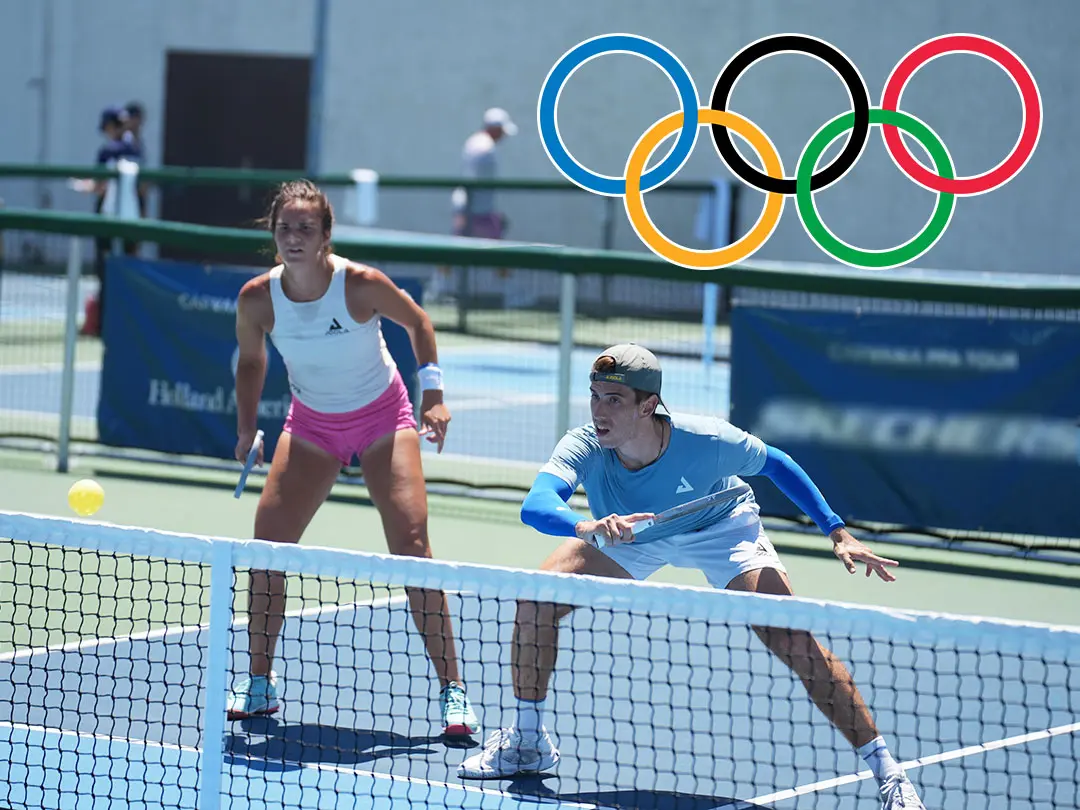
Pickleball is simple. Its governance isn’t. If you’ve tried to figure out who runs the sport globally, you’ve met an alphabet soup of federations and a lot of mixed messages.
This guide helps you navigate the confusion—with questions worth asking about power, money, and the Olympic carrot.
Why so many federations?
The sport’s growth has been rocket-fast. With participation exploding and Olympic dreams on the table, multiple organisations have claimed the international wheel.
That raises fair questions: who’s behind each body? Are they aligned—or competing? And is this truly about growing the game, or about ego, money, and control?
- Power: Who sets rules, rankings, and eligibility for “world” events?
- Money: Who receives membership dues, sponsorships, and event rights?
- Prestige: Who leads an Olympic bid if/when the IOC comes knocking?
The current landscape (fast facts)
WPF + IPF merger: In June 2025, member nations of the World Pickleball Federation (WPF) and the International Pickleball Federation (IPF) voted to unify under the WPF name,
committing to IOC-style governance (one country, one vote, transparency, anti-doping).
GPF’s rise: The Global Pickleball Federation (GPF) launched in late 2023, backed by USA Pickleball and others, and quickly amassed a large national membership base.
Four continental bodies—Americas, Asia, Oceania, and Africa—publicly aligned with GPF; Europe did not.
Continental alliance (2023): The five continental federations announced a joint alliance aimed at cooperation and a single international pathway.
Reader’s guide: questions to ask before you pick a lane
- Recognition: Which federation is your national body aligned with—and why?
- Events: Which “world” events are recognised by your chosen pathway?
- Rankings & rules: Whose rankings and rulebook will matter for your athletes?
- Governance: Is there one-country-one-vote representation? Are financials and policies transparent?
- Olympic route: What’s the stated plan to meet IOC requirements (anti-doping, governance, universality)?
📅 Timeline: how we got here
- 2018: What happened: World Pickleball Federation (WPF) launches to professionalise global governance.
- 2023 (early): What happened: International Pickleball Federation (IPF) reboots with a “No Country Left Behind” message.
- 2023 (late): What happened: Global Pickleball Federation (GPF) forms; rapid membership growth follows.
- Sept–Oct 2023: What happened: Five continental bodies announce a single continental alliance to coordinate globally.
- 2024: What happened: Americas, Asia, Oceania and Africa federations publicly align with GPF; Europe does not.
- 14 Jun 2025: What happened: IPF and WPF member nations vote to unify under the WPF banner; press statements follow.
🏆 Scorecard: who brings what to the table?
- WPF (unified with IPF): Strengths: Merger mandate; IOC-style governance; “one country, one vote”; transparency and anti-doping commitments.; Watch-outs: Post-merger bedding-in; will nations consolidate behind one pathway?; Regional alignment: Building post-merger; mix of national bodies depending on country.
- GPF: Strengths: Large national membership base; early continental support; momentum with key markets.; Watch-outs: Parallel track sustains fragmentation; legitimacy debate continues.; Regional alignment: Americas, Asia, Oceania, Africa publicly aligned; Europe not aligned.
- Continental Federations: Strengths: Regional coordination, development, coaching/officiating pathways.; Watch-outs: Divergent loyalties (especially Europe vs others); national variations.; Regional alignment: Americas (PFA), Asia (AFP), Oceania (OPF), Africa (CAP), Europe (EPF).
So… is it greed, ego, or control?
Motivations are mixed. Many leaders are true believers who’ve volunteered for years. Others are competing for the same prize: a unified, recognised pathway—ideally with Olympic credibility.
The practical takeaway for players and administrators is simple: pick a lane deliberately, based on governance quality, recognition prospects, and what counts for your athletes.
Quick links (official sites)
- World Pickleball Federation (WPF)
- International Pickleball Federation (IPF)
- Global Pickleball Federation (GPF)
- Oceania Pickleball Federation (OPF)
- Pickleball Federation of the Americas (PFA)
- Asia Federation of Pickleball (AFP)
- European Pickleball Federation (EPF)
If you’re a club, coach, or national body weighing up affiliations and event calendars, start with governance, recognition, and athlete impact. Everything else is noise.
Still confused? So are we!