The Price of Play: What We’re Learning About Pickleball Injuries And How to Stay on Court
Pickleball has taken the world—and especially older adults—by storm. From its humble beginnings, the sport has evolved into one of…
By PIKL Australia · · 2 min read
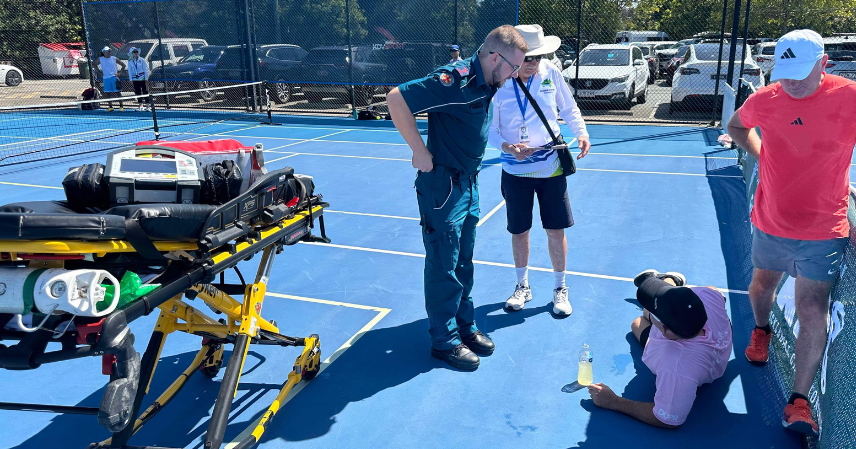
Pickleball has taken the world—and especially older adults—by storm. From its humble beginnings, the sport has evolved into one of the fastest-growing recreational activities in the United States, with a player base that’s increasing across all ages, particularly those 60 and up. But as courts get busier, so do clinics. A recent 2024 study published in Cureus examined 166 lower extremity injuries related to pickleball and paddleball, and the findings are worth your attention.
The sport’s explosive growth comes with real physical demands—particularly for ageing bodies—and understanding the risks can help you stay healthy and on the court longer.
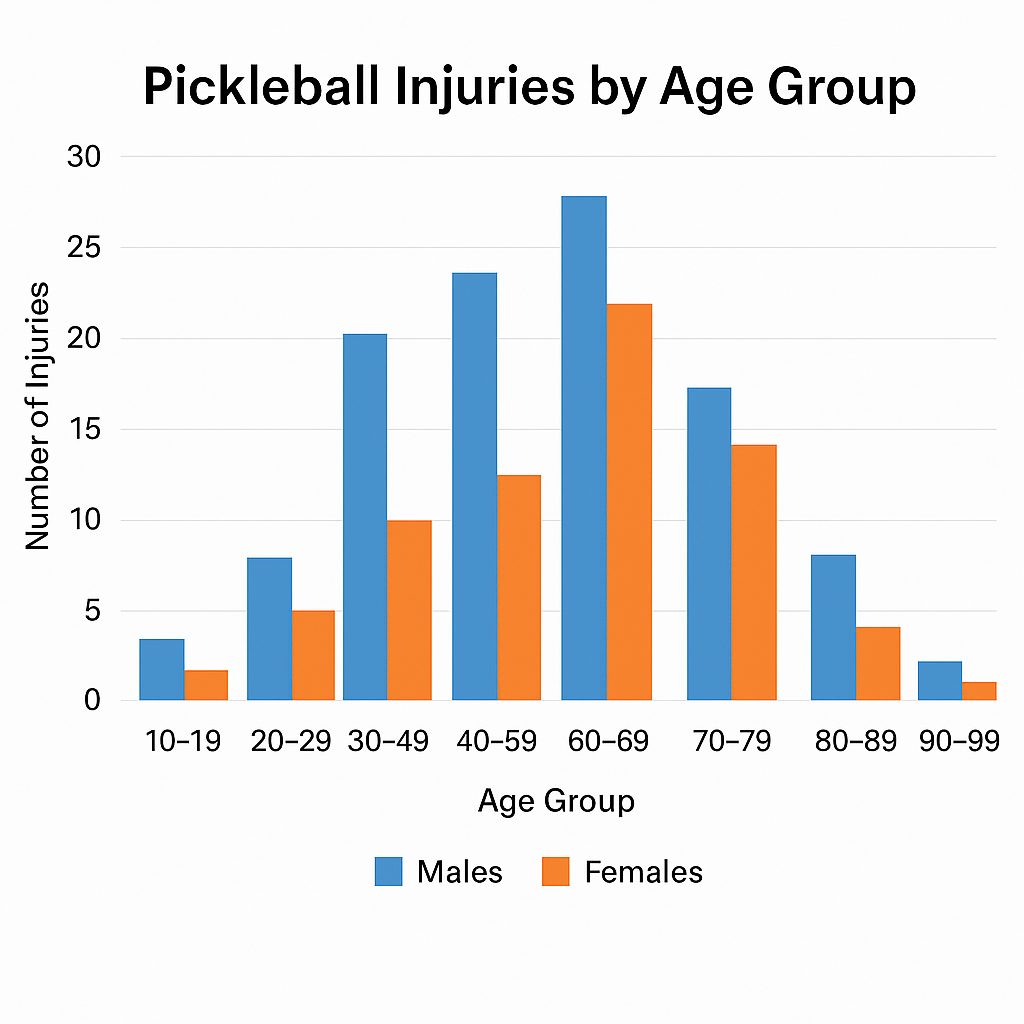
Who’s Getting Injured?
The study found that most patients were over 60 years old, with a mean age of 63, and that men made up the majority of cases. The most affected age group? Players between 60 and 69 years old.
This trend reflects pickleball’s appeal to older adults, but also highlights the need for greater awareness of injury risks in that demographic.
What’s Getting Injured?
The most common injuries involved the Achilles tendon and the foot, with ankle sprains/strains topping the list. Here’s a quick breakdown:
- Ankle sprain/strain: 21.7%
- Achilles tendon injuries (ruptures, tendinitis, bursitis): 26.5%
- Foot-related injuries: 32.8%
- Fractures: 10.8%
- Flexor tendon ruptures, plantar fasciitis, and more
Achilles tendon ruptures were the most common surgical injury, accounting for nearly all the operations performed.
How Are These Injuries Happening?
Pickleball may appear low-impact, but it often involves sudden, explosive movements, particularly lateral changes in direction. The study identified the top mechanisms of injury:
- Sudden change in direction: 54%
- Twisting injuries: 15.7%
- Jumping or lunging: 6%
- Slips and falls: 4.8%
These movements can easily lead to strains, sprains, and tears, especially for those who aren’t conditioned for explosive lateral motion.
Surgery vs. Non-Surgical Treatment
Most patients were treated conservatively:
- Bracing/splint/orthotics: 57.1%
- Physical therapy: 35.7%
- Steroid injections: 4.2%
Only 25% of cases required surgery, with Achilles tendon repair accounting for 88% of those surgeries.
Return to Play—Or Not?
Of the 166 patients tracked:
- 68 (40.9%) were cleared to return to play
- 5 (3%) were advised to stop playing entirely
- 93 (56%) were lost to follow-up
That last number is concerning. It’s unclear whether those patients healed, gave up the sport, or continued playing while still injured.
Prevention: What You Can Do
So, how do you stay in the game? Experts and experienced players agree on a few key points:
- Warm up thoroughly before playing
- Wear supportive footwear designed for court sports
- Practice balance and mobility exercises
- Use ankle braces if you’ve had prior injuries
- Learn proper body positioning, such as the “split step” for readiness
- Hydrate and take breaks
Pickleball is meant to be fun and sustainable. With the proper prep and precautions, you can keep it that way.
Final Thoughts
Pickleball isn’t just a game; it’s a lifestyle. But like any sport, it comes with risks. As participation soars, understanding the nature of common injuries and how to prevent them is critical, especially for older players.
Whether you’re a weekend warrior or a daily devotee, a little preparation can go a long way toward keeping you healthy and in the game.
Source: Based on findings published in Cureus (2024): “Pickleball- and Paddleball-Related Injuries in the Lower Extremity” by Opara et al. Read full study.
This article is part of PIKL’s ongoing exploration into the science, culture, and business of pickleball. Follow us for more expert insights and stories from the court.