Pickleball Court Dimensions: Everything You Need to Know in Australia
Pickleball has exploded across Australia, and it’s easy to see why. It’s fun, social, easy to learn, and highly addictive.
By PIKL Australia · · 3 min read
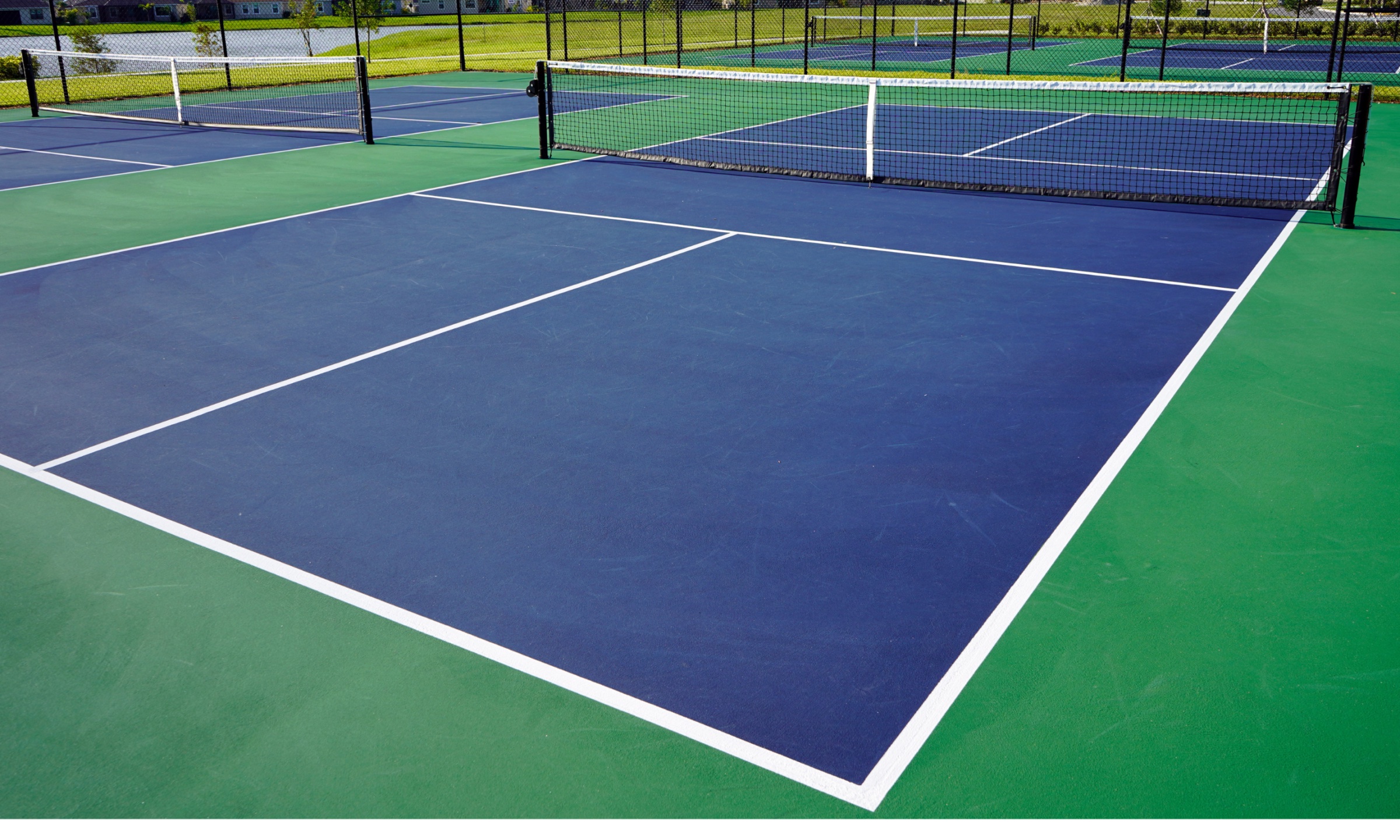
Pickleball has exploded across Australia, and it’s easy to see why. It’s fun, social, easy to learn, and highly addictive. Whether you’re in your 20s or your 70s, the sport delivers fast-paced rallies, laughter, and a serious cardio workout. But one of the best things about pickleball? You don’t need a massive area to get started. Unlike tennis, a standard pickleball court is compact enough to fit in a backyard or shared community space—making it accessible to more Aussies than ever.
If you’re thinking of setting up your own court or just want to understand the game better, here’s your complete guide to pickleball court dimensions and key build considerations—tailored specifically for Australian players.
📏 Standard Pickleball Court Dimensions
- Overall Court Size: 6.1 metres wide x 13.4 metres long (20 ft x 44 ft)
- Recommended Playing Area: 9.1m x 18.3m (30 ft x 60 ft)
This applies to both singles and doubles play.
🕳️ Court Zones and Markings
- Baselines: Parallel to the net, 6.1m (20 ft)
- Sidelines: 13.4m (44 ft) full length
- Non-Volley Zone (“The Kitchen”): 2.1m (7 ft) from the net
- Centreline: Runs from the NVZ to baseline, dividing service areas
All lines should be 5cm (2 inches) wide and measured to the outside edge.
🏐 Net Specifications
- Height: 91.5cm (36″) at the sidelines, 86.4cm (34″) in the centre
- Post Width: 6.7m (22 ft) apart
- Material: Any mesh that prevents the ball from passing through
👟 The Kitchen: Explained
The “kitchen” (non-volley zone) stops players from smashing volleys too close to the net. It’s 2.1m (7 ft) on either side and promotes strategy over brute force. Players must let the ball bounce before returning a shot in this area.
🏗️ Who’s Building Pickleball Courts in Australia?
🎾 Tennis Clubs
Many clubs are repurposing underused tennis courts into dual-purpose or dedicated pickleball courts, boosting membership and community use.
Examples: Royal Park Tennis Club (VIC), Willis Street Tennis Centre (QLD), Scarborough Tennis Club (WA)
🏆 Bowling Clubs
Declining bowls participation has prompted clubs to embrace pickleball. The flat green spaces are ideal for laying down multiple courts.
Example: Caulfield Park Pickleball in VIC has revitalised a bowls club with new courts and community programs.
🏠 Private Homes
With a court size of just 6.1m x 13.4m, Aussies are converting driveways, backyards, and side blocks into personal pickleball oases. Permanent concrete slabs with painted lines are common, though some start with temporary chalk or tape setups.
🏢 Dedicated Indoor Centres
All-weather indoor venues are booming, offering professional-grade courts, coaching, and comps year-round.
Examples: The Pickleball Hub (Melbourne), Bounce Pickleball (Sydney), Slam Pickleball (Brisbane)
🏫 Schools
Primary and high schools are integrating pickleball into PE programs and building courts on underused asphalt areas.
Examples: Brighton Grammar (VIC), St Hilda’s (WA)
🛠️ Building a Pickleball Court: What to Know
✅ Best Surfaces
- Concrete slab: The gold standard—excellent bounce, durability, and easy to line.
- Asphalt: Less durable but commonly used; prone to cracks in extreme weather.
- Acrylic surface coating: Adds grip and comfort over concrete/asphalt bases.
🚫 Surfaces to Avoid
- Synthetic grass: Unreliable bounce, slippery, and the ball often skids.
- Clay tennis courts: Ball bounce is poor and inconsistent—gameplay suffers.
- Old cracked surfaces: Hazardous for injury and leads to erratic play.
👷 Additional Tips
- Ensure proper slope and drainage to avoid pooling.
- LED floodlights are a must for evening play.
- Use 3m (10 ft) fencing around the court to keep balls in play.
- Consider acoustics in suburban builds—use quiet paddles and soft fencing if needed.
🔧 DIY vs Professional Builds
Chalk lines and portable nets are fine to get started. But if you’re serious, go with pros who understand the surface, spacing, drainage, and line precision.
Recommended: Pickle Court Construction – Australia’s dedicated pickleball builders.
🤝 Why Dimensions Matter
Proper dimensions ensure consistency, safety, and fair play. They also help you train properly and prepare for any venue—be it competition or casual play.
🎾 Final Thoughts
Understanding the dimensions and court build process helps you play better, stay safer, and get the most enjoyment from Australia’s fastest-growing sport.
Thinking about building your own court or upgrading a community space? Head to Pickle Court Construction and bring your vision to life.
For more guides like this, visit PIKL — Australia’s home for everything pickleball.